
Summer Storm Gutter Damage: What West Virginia Homeowners Should Check
By Flag Gutter · July 7, 2026 · 3 min read
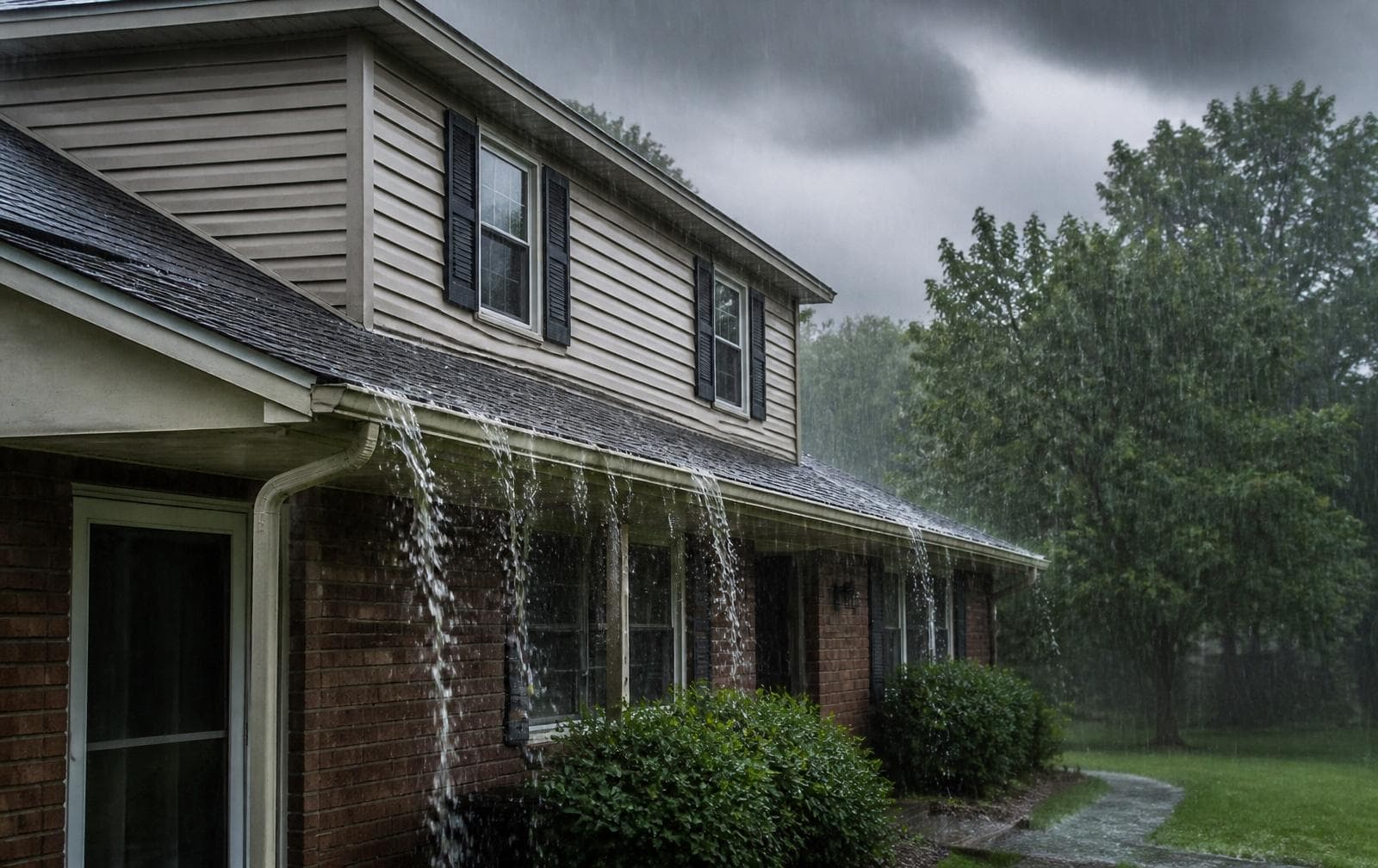
Late July and early August often bring sudden rain, strong wind, and heavy runoff across West Virginia. Even a short storm can place a lot of pressure on gutters, especially when debris, loose hangers, or drainage problems are already present.
Checking your gutter system after severe weather can help you catch small issues before they lead to damaged siding, rotted fascia, or water near the foundation.
Look for Overflow During Rain
The easiest time to spot a gutter problem is while it is raining. Water should move through the gutter and exit freely through the downspout.
If water pours over the front edge, the system may have:
- Leaves or debris blocking the gutter
- A clogged downspout
- Poor gutter slope
- Too few downspouts
- Gutters that are too small for the roof runoff
Repeated overflow can wash away landscaping and leave water collecting around your home.
Check for Gutters Pulling Away
Wind, wet debris, and standing water can place extra weight on gutter hangers. After a storm, look for sections that appear lower than the rest or have started pulling away from the fascia.
Loose gutters may allow water to run behind the system. This can damage fascia boards, soffits, and the roof edge if the problem is not repaired.
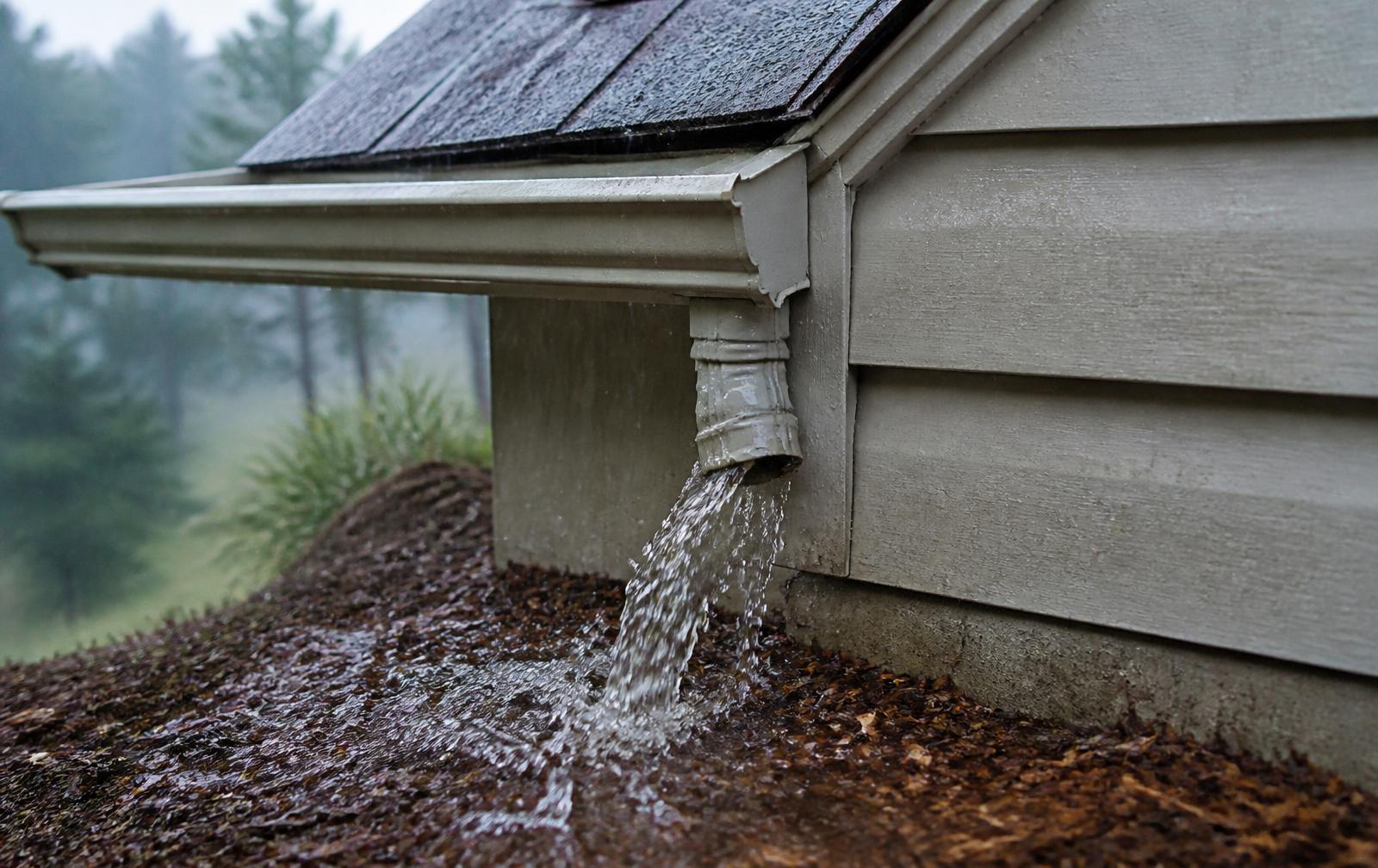
Inspect Downspouts and Drainage Areas
Downspouts often collect small sticks, leaves, and roof grit during storms. If the bottom of the downspout has weak flow or no flow, there may be a blockage inside.
Also check where the downspout releases water. It should move runoff away from the foundation, not create a puddle beside the home.
Signs of poor drainage include:
- Washed-out mulch
- Soil erosion
- Mud splashed onto siding
- Standing water near the foundation
- Damp basement or crawl space areas
Watch for Leaks at Corners and Seams
Summer storms can expose weak seals. Look for dripping at corners, end caps, or connection points. A small leak may not seem serious, but repeated moisture can stain siding and damage the wood behind the gutter. Early gutter repair is usually simpler and more affordable than waiting for the damage to spread.
Remove Storm Debris Safely
Branches and leaves can land on the roof and wash into gutters. If your gutters are easy to reach safely, you may be able to check them from a stable ladder. Never climb during wet, windy, or unstable conditions. Two-story homes and steep rooflines are best left to a professional gutter cleaning team with the proper equipment.
When to Schedule Gutter Repair
Contact a gutter professional if you notice:
- Sagging or detached sections
- Water leaking behind the gutter
- Overflow after the gutter has been cleaned
- Cracks, holes, or bent sections
- Downspouts that stay blocked
- Water pooling around the foundation
Flag Gutter provides gutter cleaning, gutter repair, and gutter installation throughout West Virginia. Our team can find the source of the problem and recommend the right solution for your home.
Protect Your Home Before the Next Storm
Summer weather can change quickly. Checking your gutters now helps ensure they are ready for the next round of heavy rain. If your gutter system is leaking, sagging, or overflowing, contact Flag Gutter for professional gutter service in West Virginia.