
DIY Gutter Guards: What to Consider Before You Buy
By Flag Gutter · November 24, 2026 · 4 min read
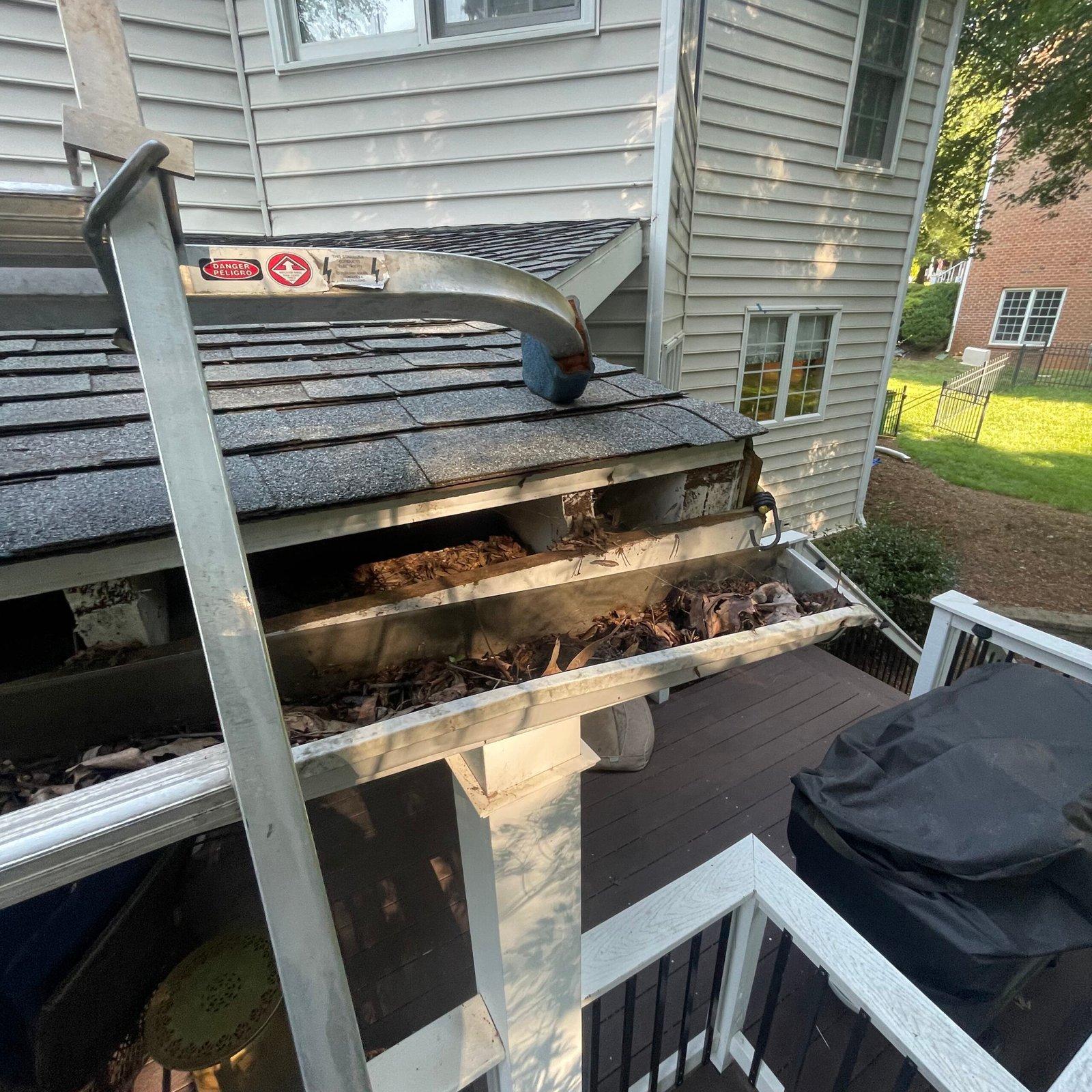
Some gutter guards are sold for homeowner installation. Whether a particular project is suitable for DIY depends on safe access, the condition of the existing system, and the exact product's requirements. A simple-looking clip or mesh panel does not remove the risks of working at the eaves.
Before purchasing, compare the installation and future cleaning tasks with what you can actually do safely. It is reasonable to choose a professional installation even when a product is marketed as DIY.
Start with the gutter condition
A guard covers part of an existing collection system. It does not repair a loose support, a leaking connection, an obstructed downspout, or an unsuitable discharge route.
From the ground, note visible sagging, separation, overflow history, and disconnected downspouts. Have concerns assessed before covering the channel. Our gutter inspection guide focuses on observations you can make without climbing.
Ask whether cleaning or repairs are needed first and how the guard will affect future access to the channel and outlets. Keep those tasks visible in any estimate rather than assuming they are included in the kit price.
Compare products by their requirements
Guard descriptions cover a range of constructions. The category name alone does not establish where a product attaches or whether it suits your gutter and roof-edge arrangement.
| Product style | Questions to resolve |
|---|---|
| Mesh or screen panels | Which gutter profiles and sizes are supported, and where are the attachment points? |
| Foam or brush inserts | How is debris removed, and when must the insert be lifted, cleaned, or replaced? |
| Curved covers | What installation geometry and access does the specific system require? |
| Products involving the roof edge | Does the approved method interact with shingles, flashing, or other components, and who should perform that work? |
Do not assume every mesh guard snaps onto the lip or that every curved cover installs the same way. For example, Raptor's micro-mesh instructions distinguish installation scenarios and specified attachments. They are instructions for that product, not a universal method for other guards or confirmation of the product Flag Gutter offers.
Read the manual before buying
Obtain the instructions for the exact model. Check supported gutter sizes, the required tools and fasteners, how corners and ends are treated, and how the product remains accessible for maintenance. Ask the manufacturer about any unclear compatibility detail before ordering.
Avoid substituting a generic screw interval, overlap, sealant, or panel angle from an online article. Instructions can differ even within one manufacturer's range. The gutter's slope toward an outlet and the guard panel's installation angle are also separate details.
If the approved method would require disturbing roofing or another building component, obtain appropriate professional advice and check applicable product requirements. This guide does not provide steps for lifting shingles or altering the roof edge.
Safe access is part of the decision
Cutting and fastening panels may require both hands, repeated repositioning, and handling sharp metal. Reaching along a gutter from one ladder position can create a fall risk. A helper on the ground does not eliminate that risk.
CDC/NIOSH ladder guidance highlights selection, condition, placement, and overreaching as safety concerns. Do not use a gutter as a ladder support or assume a package's tool list is a complete plan for safe work at height. Leave inaccessible runs, difficult terrain, damaged gutters, and work near electrical hazards to appropriately equipped professionals.
Check maintenance rather than expecting a permanent cure
Ask what debris can collect on top of the guard or reach the gutter underneath. Confirm how often the manufacturer recommends inspection and what the installer advises for your tree cover and exposure. Keep a way to inspect outlets and downspouts.
After installation, observe from a safe location whether water enters the collection system or spills at particular locations. A guard should not be represented as eliminating every blockage, overflow, or winter problem. If performance changes, document the conditions and arrange an assessment.
Our gutter guard value guide covers related maintenance and cost considerations. Compare those with the exact product and scope being offered rather than treating a general payback example as a guarantee for your house.
Compare the full DIY and professional scope
A kit price may leave out delivery, tools, safe access arrangements, cleaning, repairs, disposal, and future maintenance. A professional quote may include some of those items, but confirm rather than assume.
Compare the same runs and product requirements in each option. Ask who will address an installation concern and what the applicable product and workmanship terms say. Installation errors can affect performance and coverage, but DIY or third-party work should not automatically be described as voiding every warranty. Our warranty questions guide explains the distinctions to check.
Arrange a guard assessment
Flag Gutter provides gutter guard installation, cleaning, and repair in Southern West Virginia. Request a free written estimate to discuss the condition of your system, suitable options, maintenance access, and the work proposed for your property.