
How to Inspect Gutters for Damage from the Ground
By Flag Gutter · October 20, 2026 · 3 min read
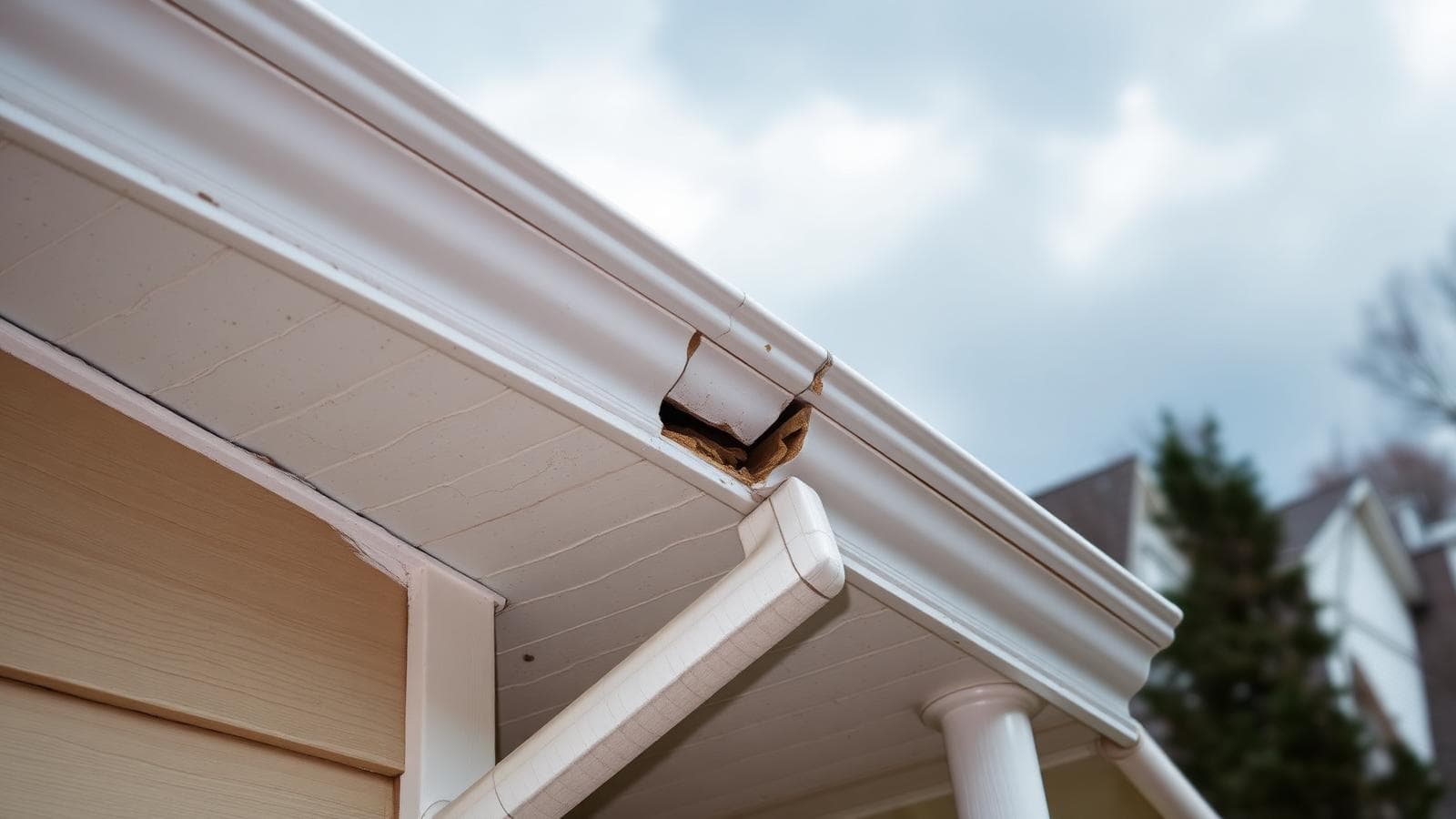
A gutter inspection can begin with a walk around the house from the ground. You may spot loose components, repeated overflow, or a disconnected downspout without climbing. Those observations help explain a concern, but they cannot confirm the condition of every hidden surface or connection.
Choose dry weather and a stable walking route. Stay clear of electrical lines, hanging components, and unsafe ground. This checklist is for recording visible conditions, not for testing gutters from a ladder or roof.
Make a simple location record
Identify the front, back, and sides of the home, then label each affected area in your notes. Photograph the same location from a safe position so later changes are easier to compare. Note when you first saw the issue and any recent cleaning or repair.
Do not try to reach a hidden area with a long pole near wires. Our gutter cleaning safety guide explains access and tool limitations.
Look along each gutter run
Look for a change in alignment, a visible gap from the roofline, a hanging end, or distorted material. Record where the change occurs rather than guessing what fastener or supporting component failed.
Visible alignment does not confirm correct pitch or a sound attachment. A professional assessment may need access to areas you cannot see from below.
Check visible connections and downspouts
From the ground, note separated elbows, loose-looking attachments, crushed sections, and missing discharge pieces. Look at where water can leave the downspout and whether the route appears blocked or disconnected.
If a downspout enters the ground, your walk-around cannot establish whether that buried connection is clear. Ask whether a separate drainage assessment is needed.
Observe water only from a safe location
If you can watch rain from indoors or a sheltered place, record where water spills, drips, or collects. Avoid going outside during lightning, strong wind, or other hazardous conditions to gather evidence.
| Observation | Question for the assessment |
|---|---|
| Water spills at one corner | Were the nearby channel, outlet, and downspout checked? |
| Water appears behind a run | How is roof runoff entering the gutter at that location? |
| Dripping at an end or joint | Is the connection damaged, or is movement contributing? |
| A low-looking section | Are attachments, supporting wood, and drainage sound? |
| Pooling near the house | Where does the roof runoff go, and could surface drainage contribute? |
These are questions, not diagnoses. See why gutters overflow after cleaning for more detail.
Treat stains and debris as clues
Record streaks, visible debris, or washed-out ground. A stain alone does not prove that metal has failed or wood is damaged. A clear-looking front edge does not prove that the inside of the channel is clean.
Do not reach into debris or disturb nests to complete an inspection. Arrange suitable help if animals, sharp material, or unstable components are present.
Leave ice and roof concerns to an appropriate professional
Do not pull hanging ice or attempt to inspect frozen gutters at height. Winter water problems can involve more than debris. The National Weather Service's ice dam guidance explains how melting and refreezing can cause water to back up, with attic insulation and ventilation among the relevant factors.
Gutter cleaning alone is not a guarantee against ice dams. If roof or attic conditions need attention, seek a professional qualified for that scope.
Know what the walk-around cannot settle
Ground observations cannot confirm hidden corrosion, fastening into sound wood, the inside of a downspout, or the condition of buried drainage. They also cannot determine whether a foundation crack or interior dampness was caused by gutter runoff.
Ask the estimator what was inspected, what remains uncertain, and whether access or a separate specialist is needed. Avoid treating a photograph as a complete structural assessment.
Prepare for a repair visit
Share your location notes, photos, rainfall observations, and any prior repair records. Ask for a written description of the cause, recommended work, exclusions, and how unexpected damage would be approved.
A single damaged component does not automatically require replacing every run. Our repair versus replacement guide and seven warning signs can help you prepare.
Flag Gutter offers gutter repair, cleaning, and replacement in Southern West Virginia. Request a free written estimate to discuss the areas you have observed.