
How Weather Affects Gutters: What to Check After a Storm
By Flag Gutter · November 19, 2026 · 4 min read
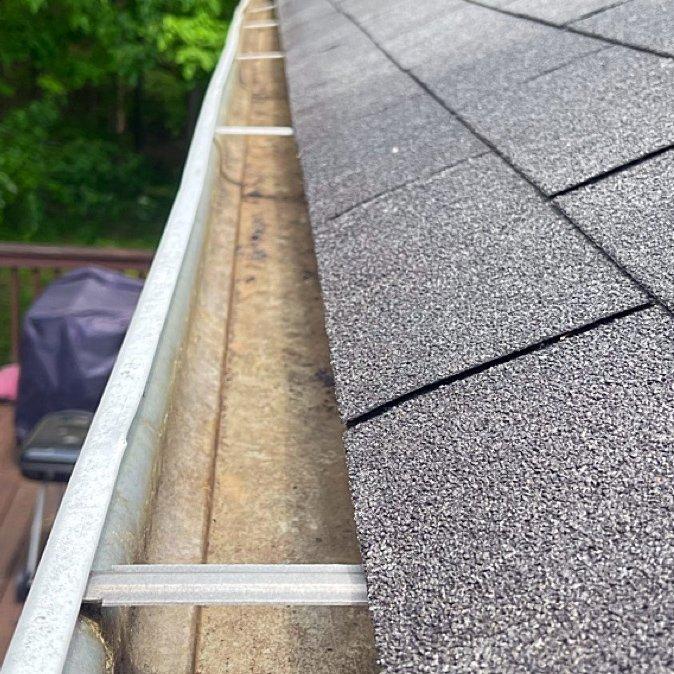
Rain, falling debris, winter conditions, and exposure can reveal problems in a gutter system. The practical question is how your particular runs, supports, outlets, and discharge route are performing—not how many years an online table assigns to the metal.
For Southern West Virginia homeowners, a useful maintenance record includes what happened during a storm, where overflow started, and whether anything changed afterward. Those details help distinguish a cleaning need from damage or a layout problem.
Heavy rain tests the entire water path
A roof valley can concentrate runoff into one location. A gutter's ability to handle that flow depends on more than its nominal width. Outlets, downspouts, roof area, rainfall conditions, and the discharge route all matter.
The Building America Solution Center's gutter guidance calls for sizing suited to anticipated water loads. A six-inch gutter is not a universal cure for overflow, and a five-inch system is not automatically inadequate. Our gutter sizing guide provides questions to discuss with an installer.
Record whether spillover is confined to one corner or occurs along several runs. Note whether it happens during lighter rain as well as intense storms. These observations help the crew decide what to inspect; they do not diagnose the cause on their own.
Debris and standing water deserve attention
Leaves and other debris can obstruct outlets and hold moisture in the gutter. Visible sagging or water remaining after rain also merits assessment. Clearing a blockage will not repair a bent run, failed support, or unsuitable pitch.
Ask how the crew checks the channel and downspout together. Our downspout flow-check guide explains why an empty trough does not prove that the entire route is clear.
Set maintenance around tree cover and the findings at your property. A recurring blockage at one outlet is useful information for the next visit, even if other runs stay clear.
Snow and ice add a separate set of concerns
After winter weather, look from the ground for displaced downspouts, visibly sagging sections, or changes in attachment. Stay clear of hanging ice and loose components. Do not strike, pull, or heat a gutter to remove ice.
Clean gutters can support drainage when melting occurs, but they do not guarantee prevention of ice dams. The National Weather Service's ice-dam guidance also identifies insulation and ventilation as relevant to the melting and refreezing process. Those building concerns may require a separate qualified professional.
When arranging gutter work, ask how the selected system and attachment details suit expected conditions. Avoid adopting a universal hanger spacing or metal thickness from an article without checking the product requirements and supporting structure.
Wind and impact: record what changed
From a safe location after the storm, note detached pieces, dents, branches resting on the system, separated connections, and water landing in a new place. Do not approach damaged components near power lines. Leave fallen branches and unstable material for an appropriate professional to assess.
Photos taken before and after the event can help explain the change. Describe the timing when requesting service and ask whether the proposed work addresses attachment, damaged components, or the discharge route.
If you have insurance questions, document the condition and contact your insurer. A contractor's estimate identifies proposed work; it does not determine policy coverage.
Material, coating, and installation need to be considered together
Ask the estimator to identify the proposed material, finish, supporting components, and manufacturer requirements. If an existing system uses different metals or accessories, ask whether they are compatible. Product-specific guidance is more useful than a blanket statement that metals can never be combined.
Englert's published gutter warranty example illustrates the distinction between a limited finish promise and conditions such as weathering, corrosive exposure, or improper installation. It is not a service-life guarantee or confirmation that the same product is proposed for your house.
A long warranty term does not establish how long an entire gutter system will last. Maintenance, exposure, attachment, seals, and damage can affect different components differently. Have the actual condition assessed before deciding on replacement.
Prepare a useful storm report
Before a visit, write down:
- Where overflow or leakage starts and when you first saw it.
- Whether a run or downspout appears to have moved.
- Any visible debris, impact damage, or disconnected extension.
- Whether the downspout enters a buried pipe.
- What previous cleaning or repair changed, if anything.
Ask for the findings and proposed response in writing. Discuss what can be repaired, what needs replacement, and which concerns fall outside the gutter scope. Our repair-versus-replacement guide can help prepare that conversation.
Request a free written estimate for gutter repair, cleaning, or replacement. Keep subsequent observations so recurring problems can be assessed against the work that was actually performed.