
Gutter Repair vs. Replacement: How to Compare Your Options
By Flag Gutter · October 20, 2026 · 4 min read
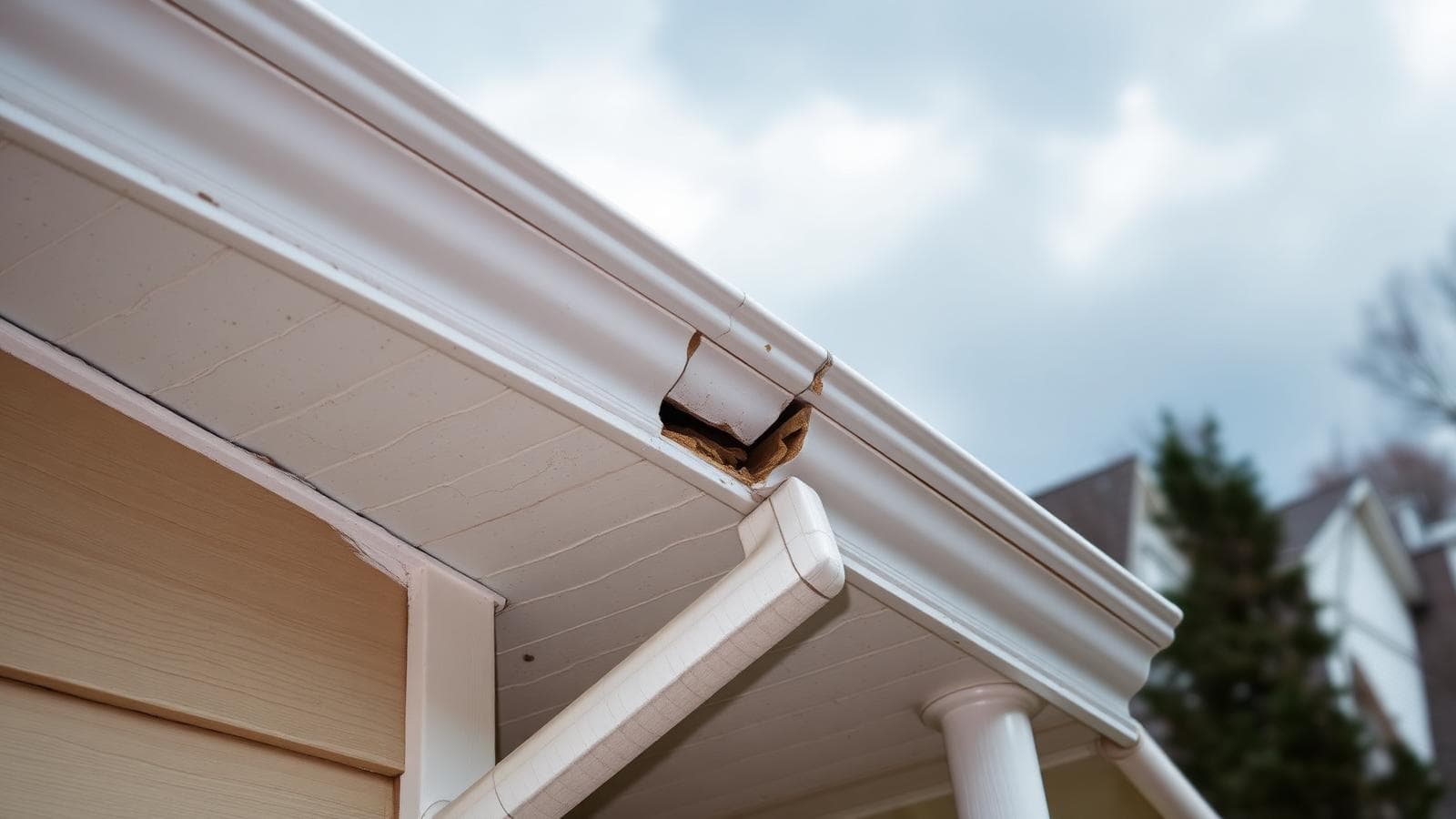
Deciding between gutter repair and replacement starts with identifying what has failed. One leaking connection, a blocked outlet, and a damaged run can require very different work. The visible symptom alone does not establish whether the whole system needs replacing.
Ask for an assessment that explains the cause, the condition of the surrounding material, and the expected result of each option. A useful proposal should help you understand what the work will solve and what it will leave in place.
When to discuss a targeted repair
A repair may be worth considering when the problem is confined to a connection, attachment, outlet, or particular section and the rest of the system is sound. Ask the contractor to explain whether the proposed repair addresses the cause of the failure.
For example, resealing a joint may not be enough if a low spot continues to hold water. Reattaching a loose gutter also requires checking what the fasteners will attach to. If the supporting wood is damaged, that needs to be addressed as part of the plan.
Useful questions include:
- Is the problem isolated or present along several runs?
- Is the material sound around the damaged area?
- Are the supporting wood and attachments suitable for the proposed repair?
- Will the repair restore the intended drainage?
- Why did any earlier repair fail?
When to discuss replacement
Replacement may be appropriate if material is too damaged for a dependable repair or problems extend across several runs. A change to the system may also be needed if the existing layout does not provide adequate drainage.
Ask which components need replacing. A damaged run does not necessarily require replacing every gutter on the house. Equally, replacing a short section will not address a problem elsewhere in the layout.
Avoid deciding from a fixed age, number of repairs, or percentage of damage alone. Those details provide context, but the recommendation should explain the actual condition and the proposed solution.
Decide which existing components can remain
Ask the contractor to identify the condition of each affected run, not simply the age of the system. A discolored finish may be an appearance concern; a split, distortion, or failing attachment needs a different discussion. Streaks alone do not establish that the whole system is beyond repair.
If replacement is proposed, ask whether sound downspouts, guards, or unaffected runs can remain and whether they are compatible with the new work. Reuse should be a considered part of the plan rather than an assumption made to lower the headline price.
Bring records of previous repairs and explain what happened afterward. A repair that stopped one leak but left overflow elsewhere provides different information from a repeatedly opening joint. There is no universal number of repairs after which every gutter should be replaced.
Also ask who warrants the new work and what remains outside that coverage. Do not infer that an older component is covered by a new installation warranty or that gutter work automatically changes an unrelated roof warranty.
Check drainage as well as the gutter material
Overflow should prompt a check of the channels, outlets, downspouts, and discharge locations. It does not prove by itself that the gutters are too small or beyond repair.
The Building America Solution Center's gutter guidance explains the purpose of sizing gutters and downspouts to collect roof runoff and carry it away from the foundation. Ask how either proposal will provide a working path for that water.
If you are seeing pooling beside the house, discuss site drainage too. New gutters alone may not resolve a grading or underground drainage problem.
Compare the written scope and actual prices
Get project-specific prices rather than treating an online repair range as a quote. Ask each contractor to describe the same affected runs and identify included and excluded work.
| Item | What to ask |
|---|---|
| Repair | Which components remain, and what will be changed? |
| Replacement | Which runs, outlets, and downspouts are included? |
| Supporting wood | Is repair included or priced separately? |
| Cleanup | Who removes the old material and debris? |
| Unexpected damage | How will additional work be shown, priced, and approved? |
| Follow-up | What written coverage applies to the completed work? |
The FTC's contractor guidance recommends written estimates describing the work, materials, completion date, and price. Our gutter estimate checklist adds questions specific to your roofline.
Record what you can see safely
From the ground, note where leaks, dips, gaps, or overflow appear. Photos and a description of when the problem occurs can help you explain it during a visit. Avoid climbing or standing beneath a loose section to investigate.
See our sagging gutter guide for visible symptoms and questions to raise with the contractor.
Get an assessment for your home
Flag Gutter offers gutter repair and replacement in Southern West Virginia. Request a free written estimate so we can discuss the condition of your system and the proposed work. For the differences between system designs, read our seamless versus sectional comparison.