
Gutter Drainage and Foundation Moisture: What to Check
By Flag Gutter · March 24, 2026 · 3 min read
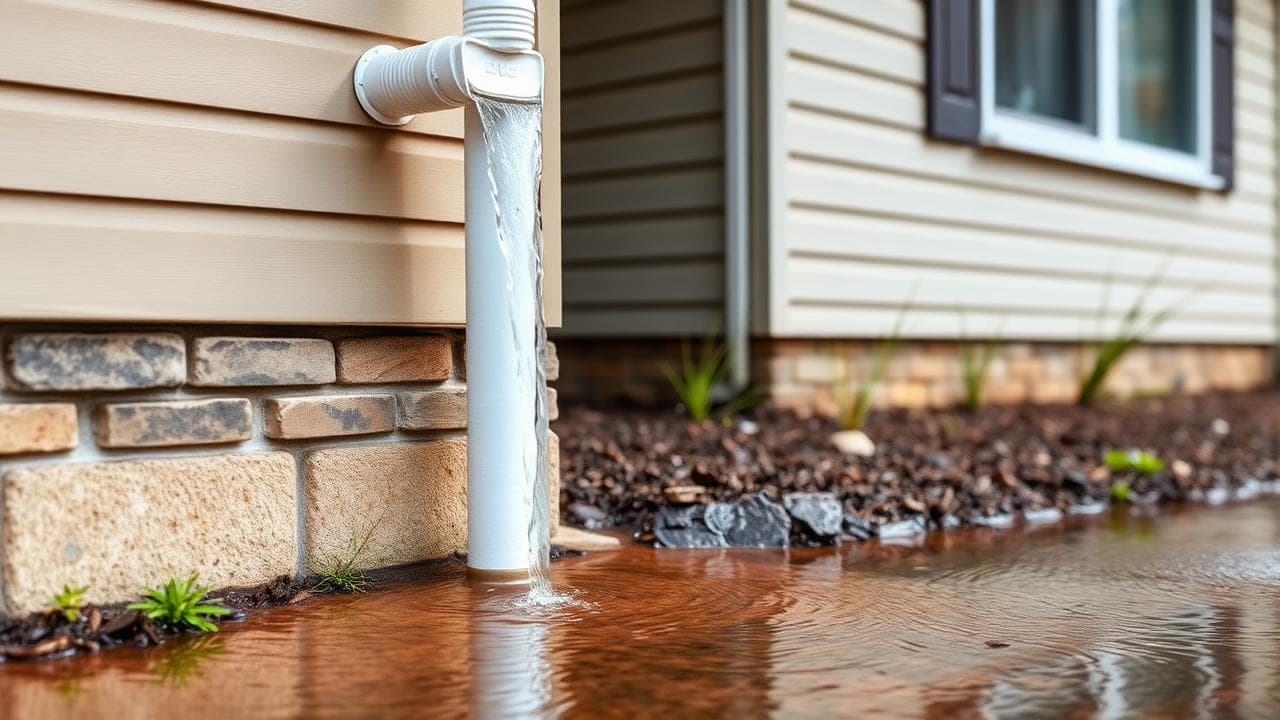
Gutters and downspouts help manage roof runoff, but they are only part of the drainage around a home. Pooling water, basement moisture, and foundation cracks deserve investigation. Their presence does not establish that gutters caused them or that new gutters will solve them.
University of Minnesota Extension's basement moisture guidance discusses several possible moisture sources and the role of surface drainage, gutters, and downspouts. A useful assessment follows the water rather than choosing a repair from one symptom.
1. Keep a record of the conditions
Note when moisture appears: during rain, after prolonged wet weather, or at other times. Photograph recurring puddles, erosion, and damp interior areas from safe locations. Record changes without treating a stain or crack as a diagnosis.
Do not enter flooded areas where electrical hazards may be present. Active water entry and structural movement need appropriate professional attention.
2. Observe the roof runoff path
From a sheltered position, look for spillover, leaking connections, and water passing behind a gutter. Record where the symptom starts. A blockage, damaged component, or layout issue can require different work.
Use our overflow checklist to prepare questions for a gutter visit. Avoid climbing or standing below loose material to investigate.
3. Look at downspout discharge
Check from the ground for disconnected components and water collecting beside the building. Ask whether the proposed discharge location carries water away effectively for your property's layout. A splash block or extension needs a suitable destination; simply moving water a short distance may not resolve pooling.
The Building America Solution Center's gutter guidance describes directing roof runoff away from the foundation. Its construction details should be considered with site conditions and applicable requirements rather than treated as a universal retrofit prescription.
4. Consider surface drainage separately
Water may also approach the house across the yard, driveway, or neighboring slopes. A gutter contractor can discuss roof runoff, while grading, buried drains, and site drainage may require a separate qualified professional.
Do not excavate or change drainage routes without checking utilities, property constraints, and applicable requirements. Avoid sending water toward neighboring property or creating erosion elsewhere.
5. Maintain what is already installed
Arrange cleaning and attention to damaged gutter components. Look for disconnected extensions after yard work or storms. If a downspout connects underground, ask who will assess that connection if water backs up.
Gutter guards do not eliminate maintenance, and a new gutter run does not repair a blocked buried drain. Clarify which parts a quote includes.
6. Get moisture or structural concerns assessed
Persistent seepage, changing cracks, movement, or unexplained dampness should not be treated as a gutter-only problem. Ask an appropriate building, drainage, or structural professional to assess the concern. Do not rely on exterior photographs to decide whether a foundation is sound.
If gutter work is recommended, ask which observed condition it addresses and what remains outside that scope. Keep the gutter proposal separate from any foundation, waterproofing, or landscaping work proposed by others.
7. Review results after the work
Keep the written scope, photos, and a record of subsequent weather. If water still collects, report where and when it occurs so the next assessment can consider the remaining drainage path.
Flag Gutter provides gutter repair, cleaning, and installation. Request a free written estimate for the gutter portion of your drainage concerns. Our estimate checklist explains how to document included and excluded work.