
Why Gutters Overflow Even After Cleaning
By Flag Gutter · April 7, 2026 · 3 min read
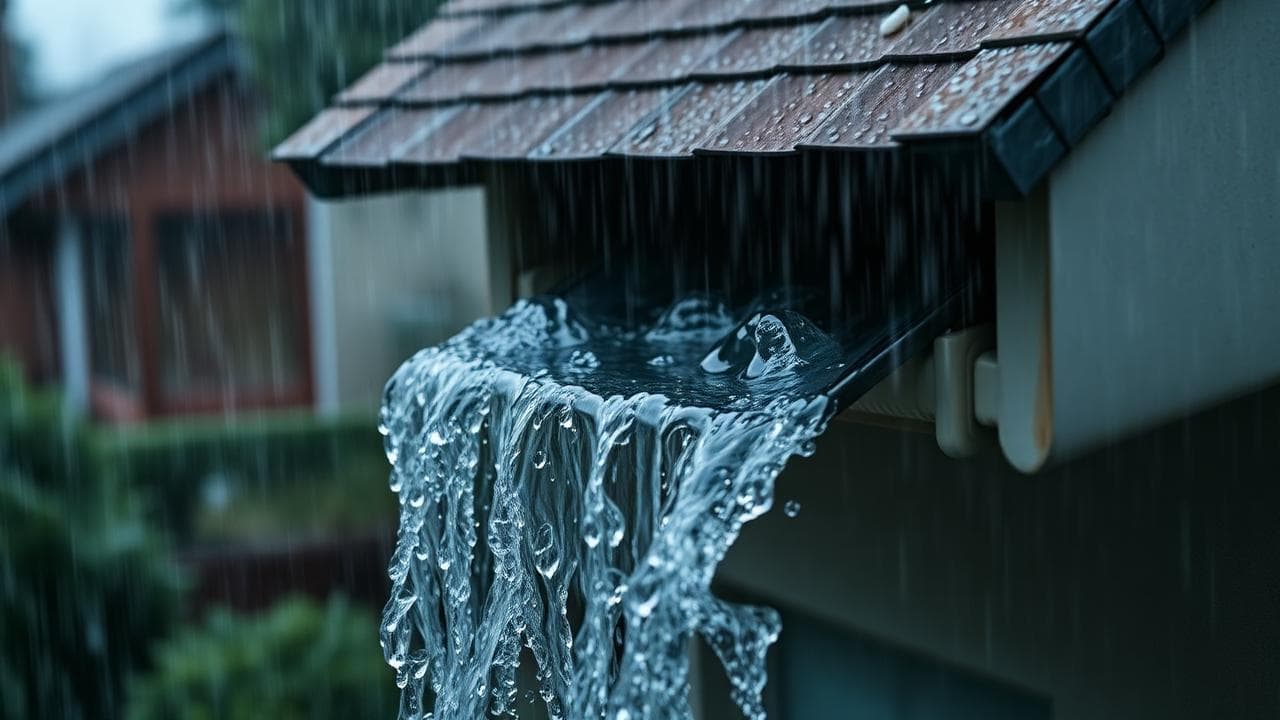
Cleaning a gutter does not confirm that every part of the drainage system is working. A concealed obstruction, a low spot, or an unsuitable layout can still interrupt flow. Overflow alone does not prove that all the gutters need replacing.
The Building America Solution Center explains the role of gutters and downspouts in collecting roof runoff and directing it away from the foundation. Use that complete water path to organize an inspection.
1. Record where and when water spills
From a sheltered location, note whether overflow occurs at a corner, along a whole run, behind the gutter, or where a roof valley meets it. Record the date and whether it happens repeatedly. Photos from the ground can help an estimator distinguish different symptoms.
Do not climb during rain or stand beneath a loose gutter. See our cleaning safety guide before planning maintenance.
2. Confirm what the cleaning covered
Ask whether the visit included outlets, downspout elbows, and any accessible connections beyond the visible channel. Debris can remain out of sight. A damaged or obstructed downspout may restrict flow even when the gutter looks clear from above.
An underground connection requires its own assessment if water cannot leave the system. Do not assume cleaning the roofline also cleared buried pipework.
3. Have pitch and supports checked
Dips, movement, or damaged supports can affect drainage toward an outlet. Ask the contractor to explain what it found and how a proposed correction addresses it. Adding sealant alone will not correct an attachment or drainage problem.
Repositioning a gutter is work at height and may reveal damaged supporting wood. Include any necessary supporting repairs in the written scope instead of attempting a ladder adjustment to test a theory.
4. Discuss roof runoff and capacity together
Roof valleys concentrate runoff at particular locations. Ask whether the channel, outlets, and downspouts suit the roof area they serve and local rainfall conditions. A wider gutter alone does not resolve every restriction.
Ground runoff on a sloped property is a separate drainage issue; it does not determine how much roof water enters a gutter. Both may need attention where water collects beside the home.
5. Check guards and roof-edge entry
If guards are installed, ask whether debris on the surface or around an opening is affecting water entry. Confirm that the product fits the system and that maintenance access remains practical. Guards do not eliminate cleaning or correct damaged gutters.
Water appearing behind a run needs assessment of how runoff enters the gutter. Its location alone does not identify the failed component or establish that roof replacement is needed.
6. Follow water beyond the downspout
From the ground, look for disconnected elbows, crushed sections, or discharge that pools against the house. Discuss a discharge route that works with the property and does not create a walkway hazard or send water toward a neighboring building.
See our guide to gutter drainage and foundation moisture if pooling or basement dampness continues.
7. Plan follow-up and maintenance
Keep notes about repairs, cleaning, and subsequent rainfall. Ask what the contractor will check before completion and how to report continued overflow. Maintenance frequency should reflect tree cover, debris, guards, and observed conditions rather than a promise that one annual visit suits every home.
If a proposal recommends replacement, ask why repair would not restore dependable drainage. Our repair versus replacement guide can help compare the options.
Flag Gutter offers cleaning, repair, and installation in Southern West Virginia. Request a free written estimate describing the affected areas and the recommended work.